As Romania moves steadily towards embracing sustainable mobility, many drivers are contemplating their next car upgrade with a particular focus on electric vehicles. This transition not only aligns with broader European Union goals but also reflects changing consumer preferences fueled by evolving technology and government incentives. Understanding the current landscape and planning carefully can help Romanian drivers make informed choices about their next car purchase.
Current state of electric vehicle adoption in Romania
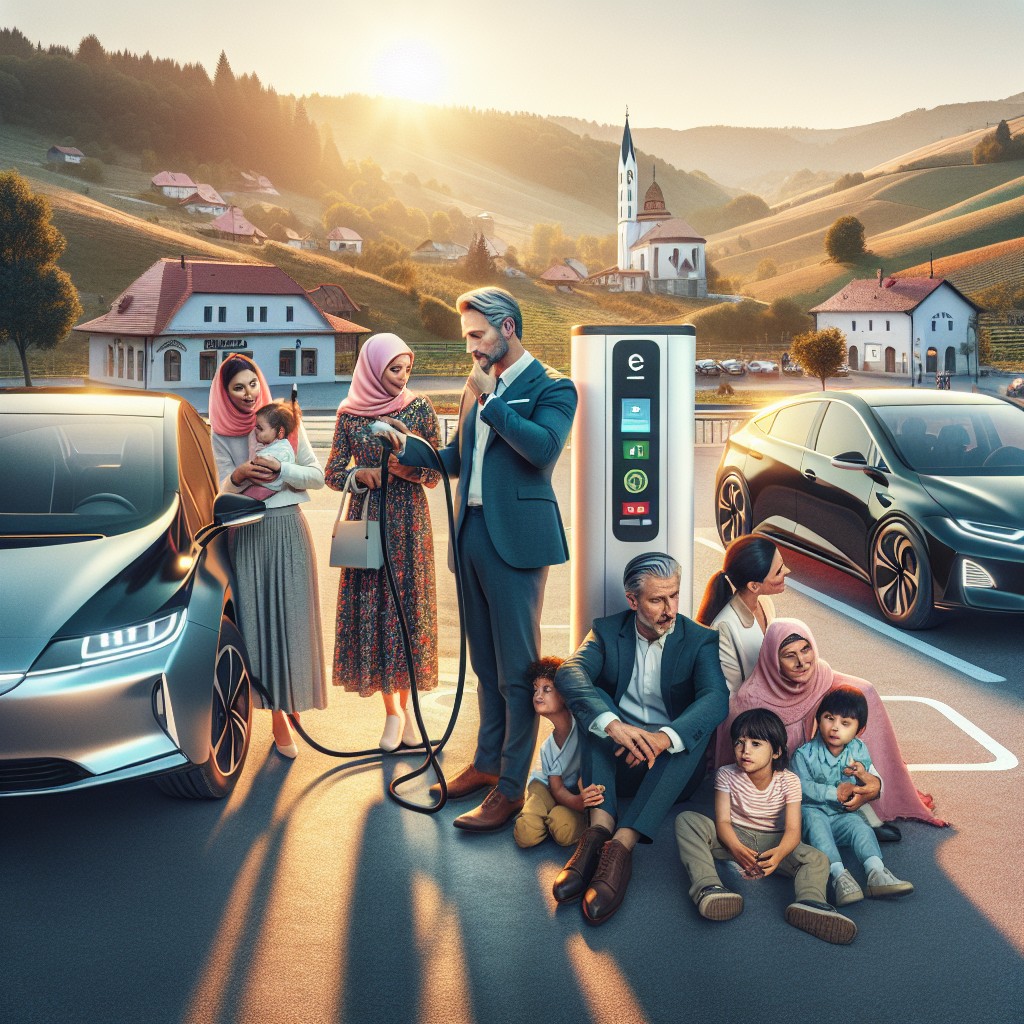
Although Romania’s electric vehicle market is still in a nascent stage compared to Western European countries, recent years have witnessed consistent growth. The government has introduced various incentives aimed at stimulating demand, including subsidies for electric car purchases and support for charging infrastructure. According to the Romanian Association for Alternative Fuels, registrations of electric vehicles have increased significantly since 2021, demonstrating rising consumer interest. Despite challenges like limited charging stations in rural areas, urban centers such as Bucharest and Cluj-Napoca are experiencing improved accessibility, making EV ownership increasingly viable.
Government incentives and support programs
One key factor facilitating the EV transition in Romania is the availability of robust government subsidies and tax exemptions. The Rabla Plus program offers financial support to individuals exchanging older cars for new electric models, helping to reduce the initial cost barrier for many buyers. Furthermore, electric vehicles benefit from exemptions on certain road taxes and parking fees in major cities. These measures are complemented by European Union funding directed at expanding the public charging network, which contributes to addressing infrastructure limitations that have historically deterred potential EV buyers.
Charging infrastructure developments
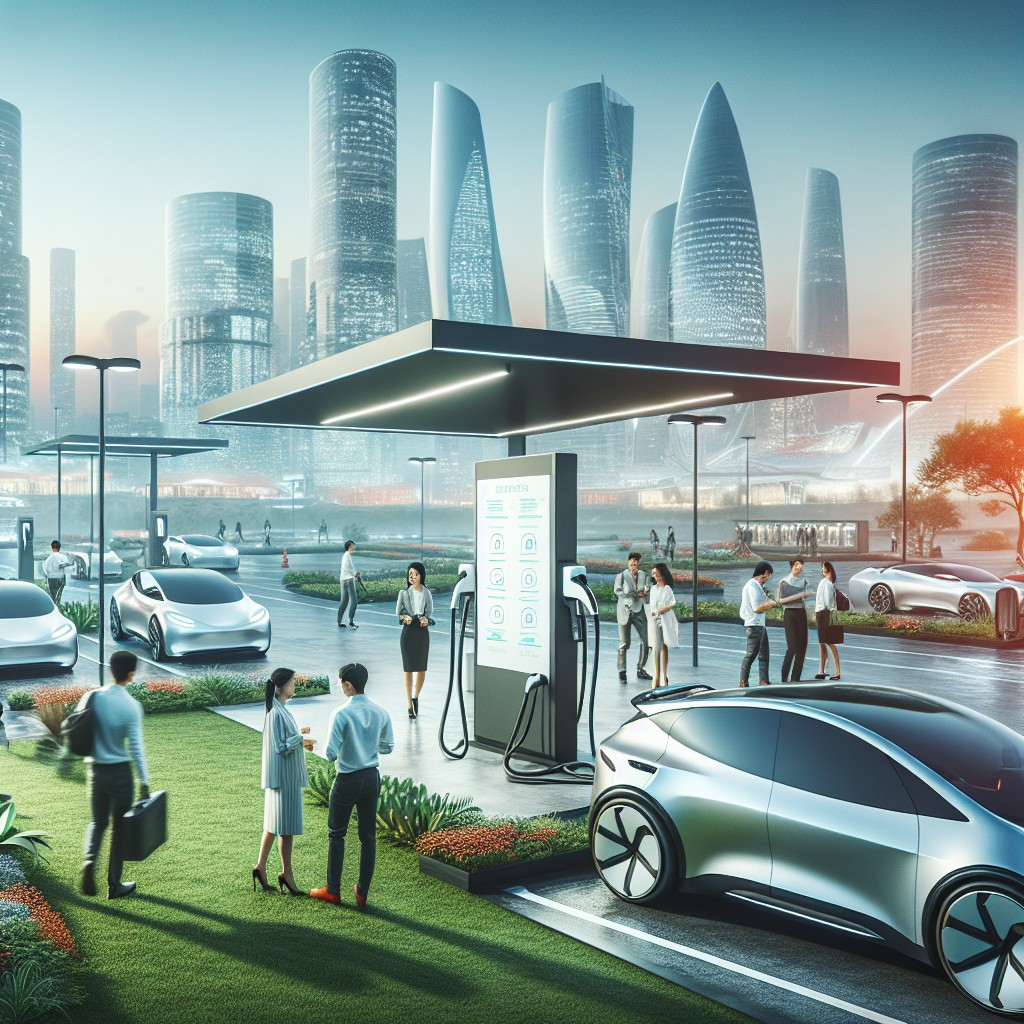
Charging infrastructure is crucial when planning an upgrade to an electric vehicle. Romania is gradually expanding its network of charging points, with both public and private investments playing significant roles. Major energy companies and automakers have launched initiatives to deploy fast chargers along primary transport corridors, improving long-distance travel options. Additionally, many residential and commercial developments now incorporate charging facilities, enhancing convenience for daily users. Romanian drivers considering electric vehicles should evaluate the availability and accessibility of charging stations in their typical travel areas, as this can influence the overall ownership experience.
Choosing the right electric vehicle model
The variety of electric vehicles available in the Romanian market has increased, providing options that suit different budgets and preferences. From compact city cars to larger family SUVs, manufacturers offer models with varying ranges and performance capabilities. Factors such as battery capacity, range on a single charge, and vehicle size should be carefully assessed to meet individual needs. Moreover, total cost of ownership, including maintenance and electricity costs, often favors electric vehicles over traditional combustion engine cars in the medium term. Prospective buyers are encouraged to test drive different models and consult reliable sources to make well-informed decisions.
Environmental and economic considerations for Romanian drivers
Transitioning to electric vehicles aligns with global efforts to reduce carbon emissions and local air pollution. For Romania, where air quality in some urban areas remains a public health concern, widespread adoption of EVs can contribute positively. Beyond environmental benefits, economic factors such as lower fuel costs and reduced maintenance requirements make electric vehicles appealing for many drivers. However, it is important to note that the environmental impact of electric vehicle production and battery recycling remains an ongoing discussion. Romanian consumers should stay informed about these aspects from trustworthy institutions to form a balanced understanding of the benefits and challenges.
Conclusion
Romania’s EV transition reflects a broader shift towards sustainable mobility influenced by government initiatives, infrastructure improvements, and evolving consumer preferences. As electric vehicles become more accessible and practical, Romanian drivers can plan their next car upgrade with increasing confidence. Keeping abreast of technological advances, financial incentives, and infrastructure developments will remain essential for making optimal choices in a rapidly changing automotive landscape.
Frequently Asked Questions about electric vehicles
What incentives are available in Romania for purchasing electric vehicles?
Romania offers several incentives including subsidies through the Rabla Plus program, tax exemptions, and reduced parking fees aimed at encouraging the purchase of electric vehicles.
How is the electric vehicle charging infrastructure developing in Romania?
The charging infrastructure is expanding with new public and private charging stations being deployed, especially in urban centers and along major travel routes to support electric vehicles.
Are electric vehicles more cost-effective to run in Romania?
Electric vehicles generally have lower operating costs due to cheaper electricity compared to fuel and lower maintenance needs, making them cost-effective over time for Romanian drivers.
What should Romanian drivers consider when choosing an electric vehicle?
Drivers should evaluate factors such as vehicle range, battery life, charging station availability, and total cost of ownership when selecting an electric vehicle that fits their needs.
Will electric vehicles help improve air quality in Romania?
Yes, the adoption of electric vehicles has the potential to reduce local air pollution in Romanian cities by lowering emissions from traditional combustion engine vehicles.