Recent advancements in deep ocean mapping have opened a new chapter in marine science, providing unprecedented detail about the seafloor and underwater ecosystems. These technological breakthroughs not only enhance our understanding of Earth’s largest but least explored environment but also have broad implications for environmental monitoring, climate research, and resource management.
Technological Innovations Driving Ocean Mapping
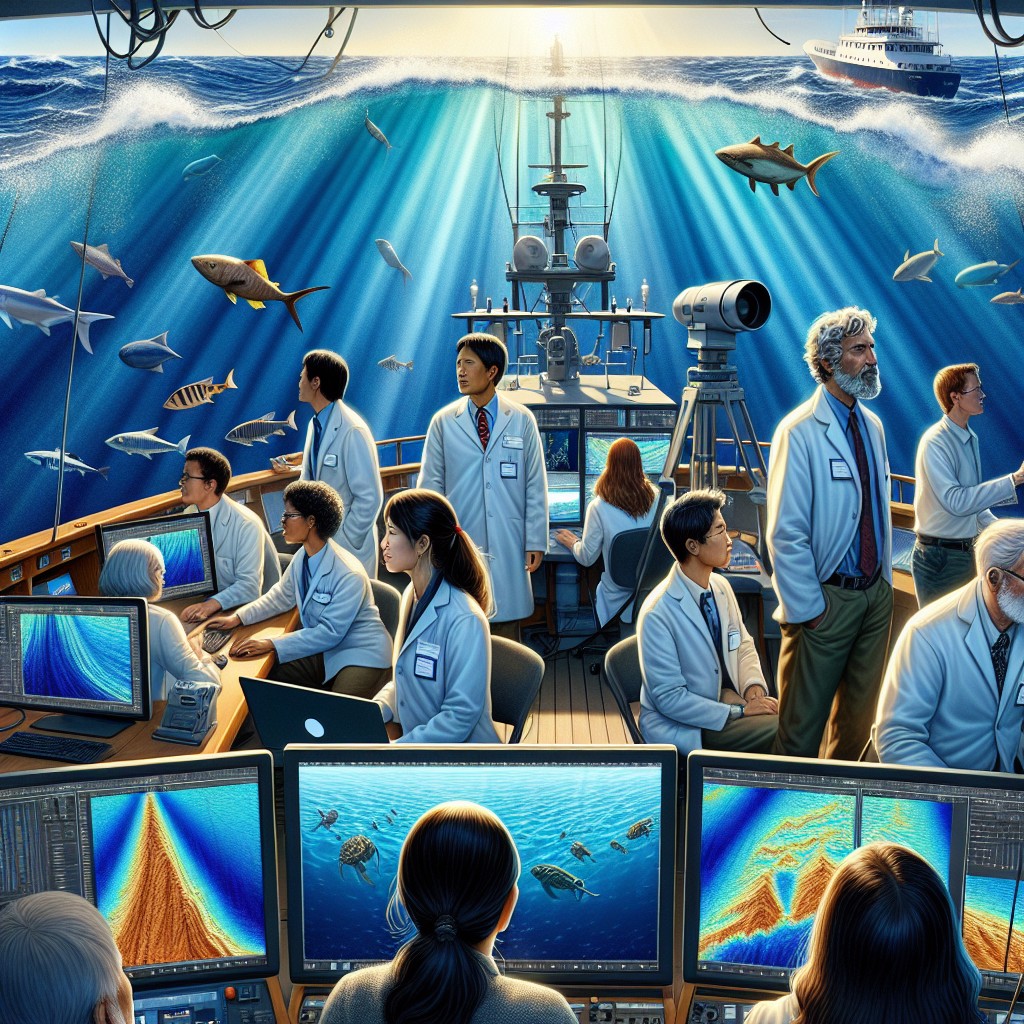
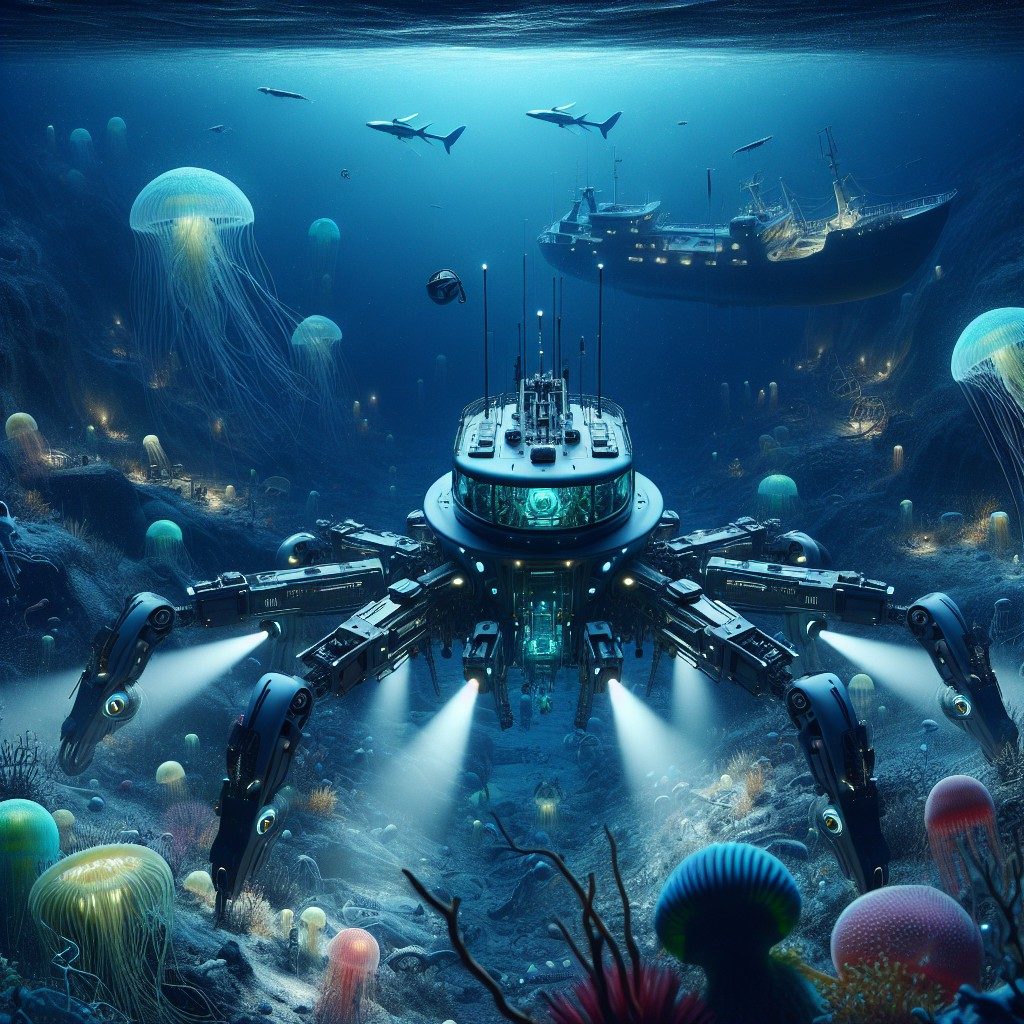
Key developments in sonar technology, autonomous underwater vehicles (AUVs), and satellite altimetry have significantly improved the resolution and coverage of ocean mapping. High-resolution multibeam echo sounders now enable scientists to capture detailed topographic maps of the seafloor at depths previously unreachable. Autonomous vehicles equipped with sophisticated sensors can navigate deep and remote regions, collecting continuous geological, biological, and chemical data. Satellite-based methods supplement these efforts by providing wide-area ocean surface data that inform deeper bathymetric features.
Impacts on Scientific Research and Environmental Monitoring
Enhanced ocean mapping capabilities allow researchers to better study marine biodiversity, geological formations, and underwater volcanic activity. The detailed maps facilitate the identification of critical habitats and enable the monitoring of environmental changes over time. Improved understanding of underwater features informs climate models by elucidating ocean circulation patterns and heat storage. These insights are vital for predicting the impacts of climate change on marine ecosystems and global weather systems.
The Role of Ocean Mapping in Resource Management
Accurate ocean mapping is essential for sustainable management of marine resources. It helps in locating mineral deposits, hydrocarbon reservoirs, and potential renewable energy sites such as offshore wind farms and tidal energy locations. Additionally, mapping supports fisheries management by identifying fish habitats and migration routes, aiding in the establishment of protected areas and sustainable harvest limits.
International Efforts and Collaboration
Global initiatives like The Nippon Foundation-GEBCO Seabed 2030 Project aim to map the entire ocean floor by 2030, reflecting a concerted international effort to fill the current knowledge gaps. Collaboration among governments, research institutions, and private organizations is critical for pooling resources and expertise. Such joint ventures ensure the standardization of mapping data and promote its open accessibility for broad scientific and commercial use.
Future Prospects of Deep Ocean Exploration
As the accuracy and accessibility of ocean mapping improve, future research is expected to uncover new species, geological phenomena, and even archaeological sites beneath the sea. These breakthroughs will likely enhance our ability to respond to environmental crises and support the sustainable use of ocean resources. Continued investment and innovation in ocean mapping technology will be central to unlocking the mysteries of the deep ocean.
In summary, breakthroughs in ocean mapping have substantially advanced scientific knowledge and practical applications related to the deep ocean. As this field progresses, its benefits will increasingly contribute to environmental stewardship, resource management, and our understanding of planetary processes.
Frequently Asked Questions about ocean mapping
What is ocean mapping and why is it important?
Ocean mapping involves creating detailed maps of the seafloor and underwater features. It is important because it provides critical information for scientific research, environmental monitoring, and sustainable resource management.
How have recent breakthroughs improved ocean mapping?
Recent breakthroughs include advancements in sonar, autonomous underwater vehicles, and satellite technologies, which allow for more precise and extensive mapping of deep ocean areas that were previously difficult to explore.
What organizations are leading efforts in ocean mapping?
International initiatives like The Nippon Foundation-GEBCO Seabed 2030 Project and government agencies such as NOAA are leading global efforts in ocean mapping to create comprehensive maps of the seafloor.
How does ocean mapping contribute to climate science?
Ocean mapping provides data on underwater topography and ocean circulation patterns, which helps improve climate models and enhances our understanding of how oceans influence global climate systems.
Can ocean mapping help in protecting marine ecosystems?
Yes, ocean mapping identifies critical habitats and biodiversity hotspots, enabling better conservation strategies and protection measures to preserve marine ecosystems.
Additional reliable information can be found by consulting resources such as the National Geographic Oceans Section, which offers in-depth coverage on ocean mapping and marine science developments.