The global transition to electric vehicles (EVs) is accelerating rapidly, supported by significant developments in charging infrastructure. As governments and private companies invest heavily in expanding charging networks, the EV rollout is facing new realities and opportunities that shape the future of mobility worldwide.
Expansion of Charging Networks Driving EV Adoption
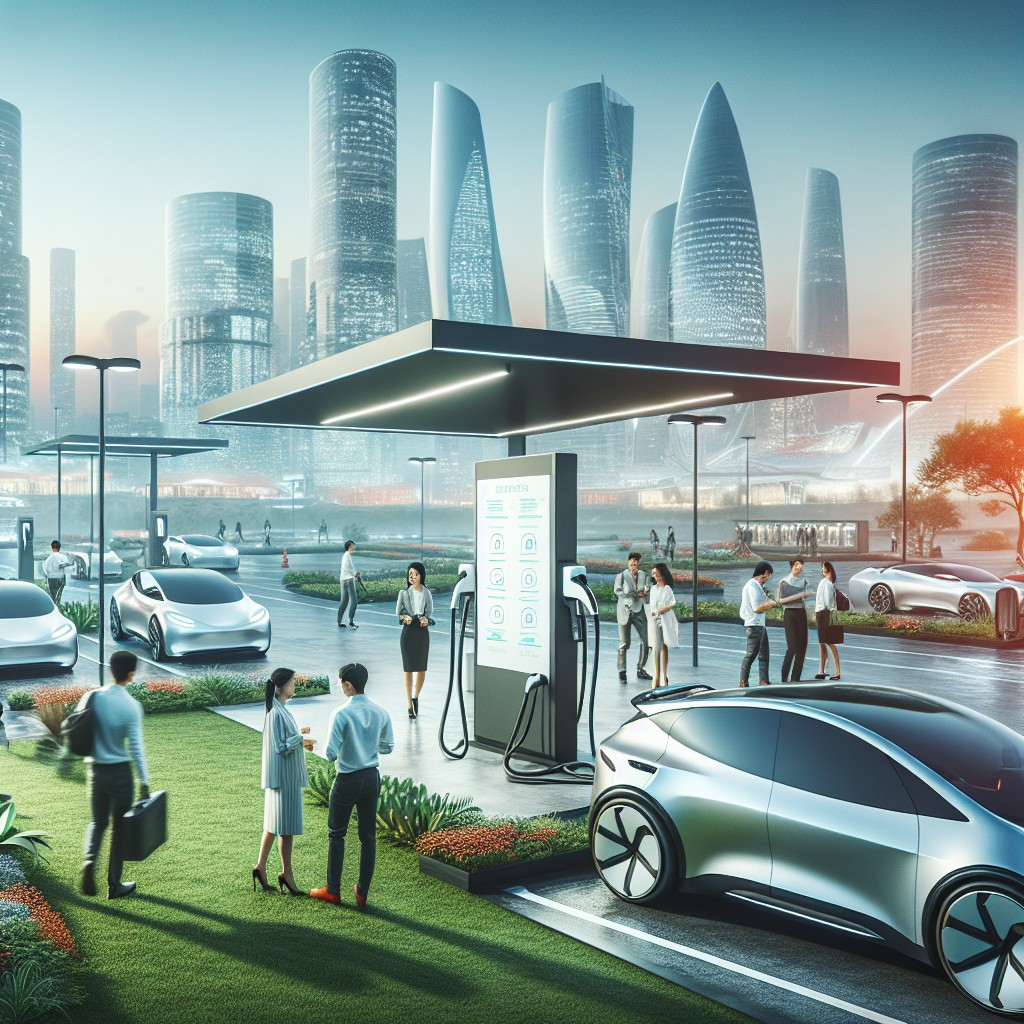
The growth of charging infrastructure is crucial to supporting the increasing number of electric vehicles on roads globally. Major economies including the European Union, the United States, and China have launched ambitious charging network expansion programs that aim to alleviate range anxiety among potential EV buyers. These developments make EV ownership more practical and accessible, encouraging consumers to switch from internal combustion engine vehicles to electric alternatives.
Technological Advances in Charging Solutions
Enhancements in charging technology, such as ultra-fast chargers and standardized connectors, are accelerating the capabilities of charging networks. Companies are deploying high-capacity charging stations capable of delivering 150 kW or more, significantly reducing the time required to recharge EV batteries. Additionally, ongoing efforts to harmonize charging standards internationally facilitate cross-border travel and infrastructure interoperability, further supporting the EV rollout.
Investment Trends and Public-Private Partnerships
Investment in charging infrastructure has surged as both public authorities and private sector players recognize its strategic importance. Governments are providing subsidies and regulatory support, while automakers and energy companies are establishing partnerships to develop comprehensive charging solutions. These collaborations are accelerating infrastructure deployment in urban centers and along major highways, ensuring more reliable access to charging stations.
Challenges in Infrastructure Scaling
Scaling charging networks faces several challenges. One significant obstacle is ensuring sufficient electrical grid capacity to handle increased demand, particularly in densely populated areas. Additionally, integrating renewable energy sources with charging infrastructure remains complex but essential for maximizing environmental benefits. There are also disparities in infrastructure availability between regions and countries, affecting equitable access to EV benefits.
Impact on the Automotive Industry and Consumer Behavior
The expanding charging infrastructure is influencing automotive manufacturers to design vehicles optimized for varying charging conditions and faster recharging times. Consumer confidence in EVs grows as infrastructure gaps narrow, leading to higher uptake rates. Furthermore, the availability of diverse charging options—home, workplace, and public stations—contributes to a more flexible and convenient ownership experience.
Conclusion
The ongoing worldwide scale-up of EV charging networks is pivotal to the sustained growth of electric vehicle markets. While notable advancements and investments are driving progress, addressing infrastructure challenges remains essential for a successful and equitable EV rollout. Continued collaboration between governments, industry stakeholders, and consumers will determine the pace and effectiveness of this transition in the years to come.
Frequently Asked Questions about EV rollout
What is the role of charging networks in the EV rollout?
Charging networks are critical to the EV rollout as they provide the necessary infrastructure for electric vehicles to recharge, directly influencing consumer adoption and usability.
How are governments supporting the EV rollout through infrastructure?
Governments support the EV rollout by funding charging station installations, offering subsidies, and creating policies that encourage public and private investments in charging infrastructure.
What technological improvements are emerging to aid the EV rollout?
Advances such as ultra-fast charging, standardized connectors, and smart grid integration are enhancing charging networks to make the EV rollout more efficient and user-friendly.
What challenges does the EV rollout face regarding charging infrastructure?
The EV rollout faces challenges including grid capacity limitations, regional disparities in charging availability, and the integration of renewable energy sources with charging stations.
How does the expansion of charging networks affect consumer behavior in the EV rollout?
Expanded charging networks increase consumer confidence by reducing range anxiety, leading to higher electric vehicle adoption rates during the EV rollout.